
French Canadian Choral Music
A Brief History
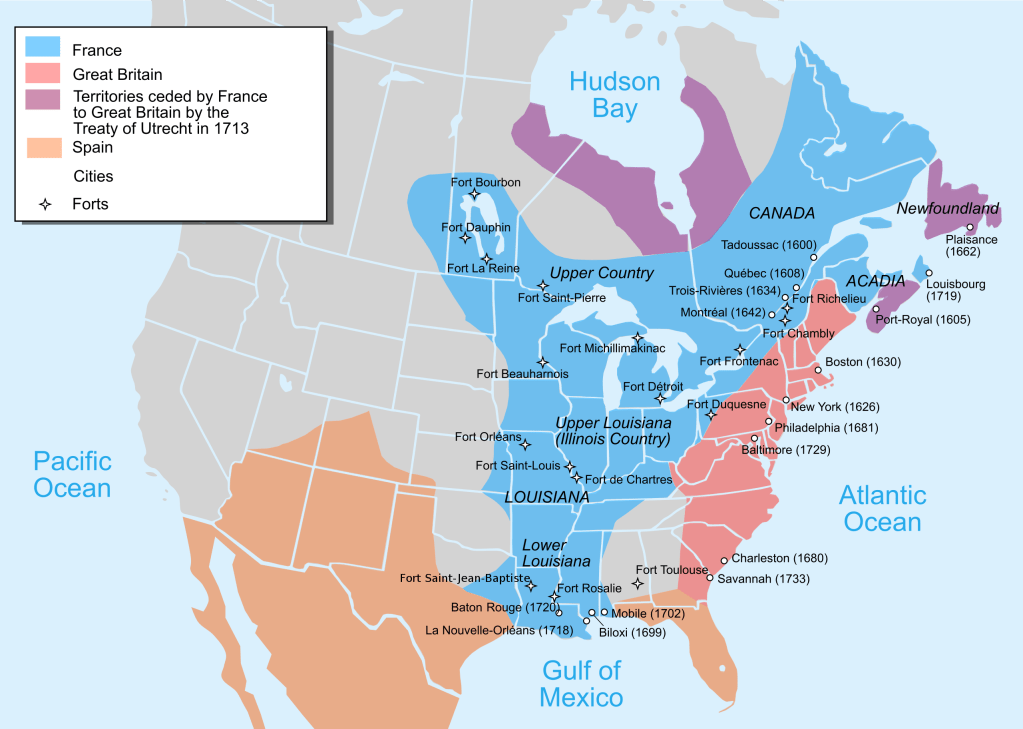
French colonizers began to migrate to Canada in 1534, led by Jacques Cartier. More permanent settlements were created in 1608 when Samuel de Champlain founded Québec City on land belonging to indigenous peoples such as the Wabanaki, the Innu, and the Maliseet.
New France grew to include settlements along the St. Lawrence River, Acadia (Nova Scotia), Newfoundland, Cape Breton Island, and Louisiana. This land was gradually acquired by Britain in the 1713 Treaty of Utrecht and the 1763 Treaty of Paris. Despite British rule, French Canadians preserved their cultural identity and grew to be a third of the population of the Dominion of Canada in 1867.
Today, the majority of French Canadians live in the province of Quebec, although there are some communities in the Maritime provinces, Ontario, and in the Western provinces as well. French Canadians represent a quarter of the country’s total population.
Language & Religion
Canada became a bilingual country in 1969, and French became Quebec’s official language in 1974. French vocabulary and pronunciation differs significantly between speakers in Canada and France. There are noticeable regional differences within the country as well.
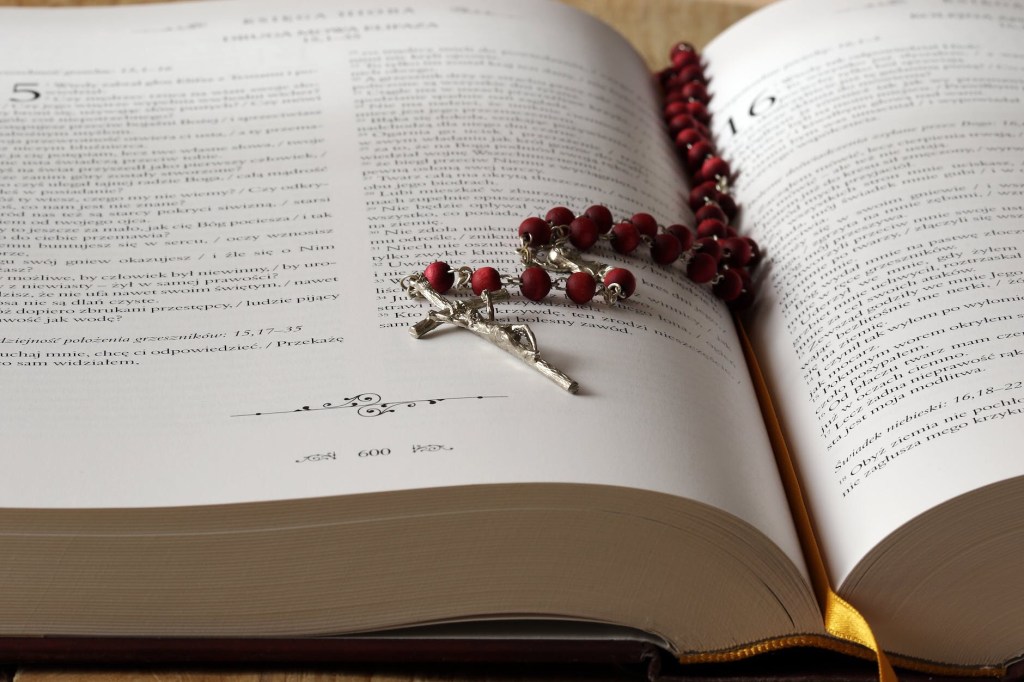
From early colonization to the 1960s, the Roman Catholic Church held great influence over French Canadian lifestyle. This type of faith encouraged families to have many children which aided in the growth of the French Canadian population. Today, this hold is not quite as strong, although the majority of French Canadians still identify as Roman Catholic.
Cultural Dishes & Events

French Canadian cuisine is known for its rich flavours. Some favourites across the country include tourtière (meat pie), tarte au sucre (sugar pie), French onion soup, poutine, and ragoût (meat stew). Maple syrup is also inextricably linked to French Canadian culture since Québec is its largest producer across the world. Early settlers were taught how to harvest and boil sap by indigenous peoples.
Carnaval is one of the most significant cultural events in Québec. It is a two-week long winter festival which features activities such as ice sculpting, snow sculpting, and sports competitions. The Bonhomme is the snowman-like character which is the mascot for Carnaval.
 French Canadian Choral Music